Agency
Oct 29, 2025
What to Expect During a Website Redesign
What to Expect During a Website Redesign
Redesigning your website is like renovating your storefront while keeping the doors open, it takes planning, patience, and the right partner to get it right.
Redesigning your website is like renovating your storefront while keeping the doors open, it takes planning, patience, and the right partner to get it right.
Why a Redesign Matters
Whether you’re launching a brand from scratch or your existing site just isn’t cutting it anymore, a website redesign is one of the smartest moves you can make for your business. Your website doesn’t just showcase your products or services, it communicates your story, values, and level of professionalism in seconds.
For new entrepreneurs, this is your first real opportunity to make a lasting impression. For established businesses, it’s a chance to stay relevant, modern, and aligned with how your audience interacts online today.
A redesign isn’t just about aesthetics; it’s about improving performance, user experience, and trust. A slow, outdated site with clunky navigation can quietly turn potential customers away. A clean, responsive design can do the opposite, draw them in, guide them smoothly, and make working with you feel effortless.
Understanding the Process (and Why It Helps to Know the Basics)
Even if you’re not designing the site yourself, understanding the redesign process helps you make better decisions and avoid unnecessary stress. It’s like knowing what’s under the hood of your car, you don’t need to be a mechanic, but having a grasp of how things work saves time, money, and confusion.
When you know what to expect, you can communicate clearly with your designer, spot red flags early, and ensure your investment brings results. This understanding is especially helpful when you’re balancing multiple roles as a new business owner, every decision counts, and clarity keeps your project on track.
Phase 1: Discovery and Strategy
The redesign process typically begins with discovery. Your designer (or agency) will take time to understand your goals, target audience, and brand vision.
Expect questions like:
Who are your ideal customers?
What do you want them to do when they visit your site?
What isn’t working on your current website?
What makes your brand different?
This stage often includes a website audit, competitor analysis, and a look at analytics to understand where users drop off. The goal is to build a roadmap that connects design decisions with your business objectives.
For new business owners, this stage is where you define your foundation, your brand voice, design direction, and structure. For experienced businesses, it’s often about optimizing and refreshing what’s already in place.
Phase 2: Content Planning and Structure
Once the strategy is clear, the next step is planning your site’s structure and content. Think of this as organizing the “rooms” in your digital house.
Your designer might create a site map to outline key pages, like Home, About, Services, and Contact—and how they connect. For larger brands, this may include blogs, portfolios, case studies, or e-commerce product pages.
At this stage, clarity matters more than creativity. Clean navigation, clear headings, and concise copy help users find what they need quickly. If you’re working with a designer like Bluprintly, you’ll often get guidance on how to refine your message, improve readability, and weave in subtle SEO techniques so your site ranks better over time.
Phase 3: Design and User Experience (UX)
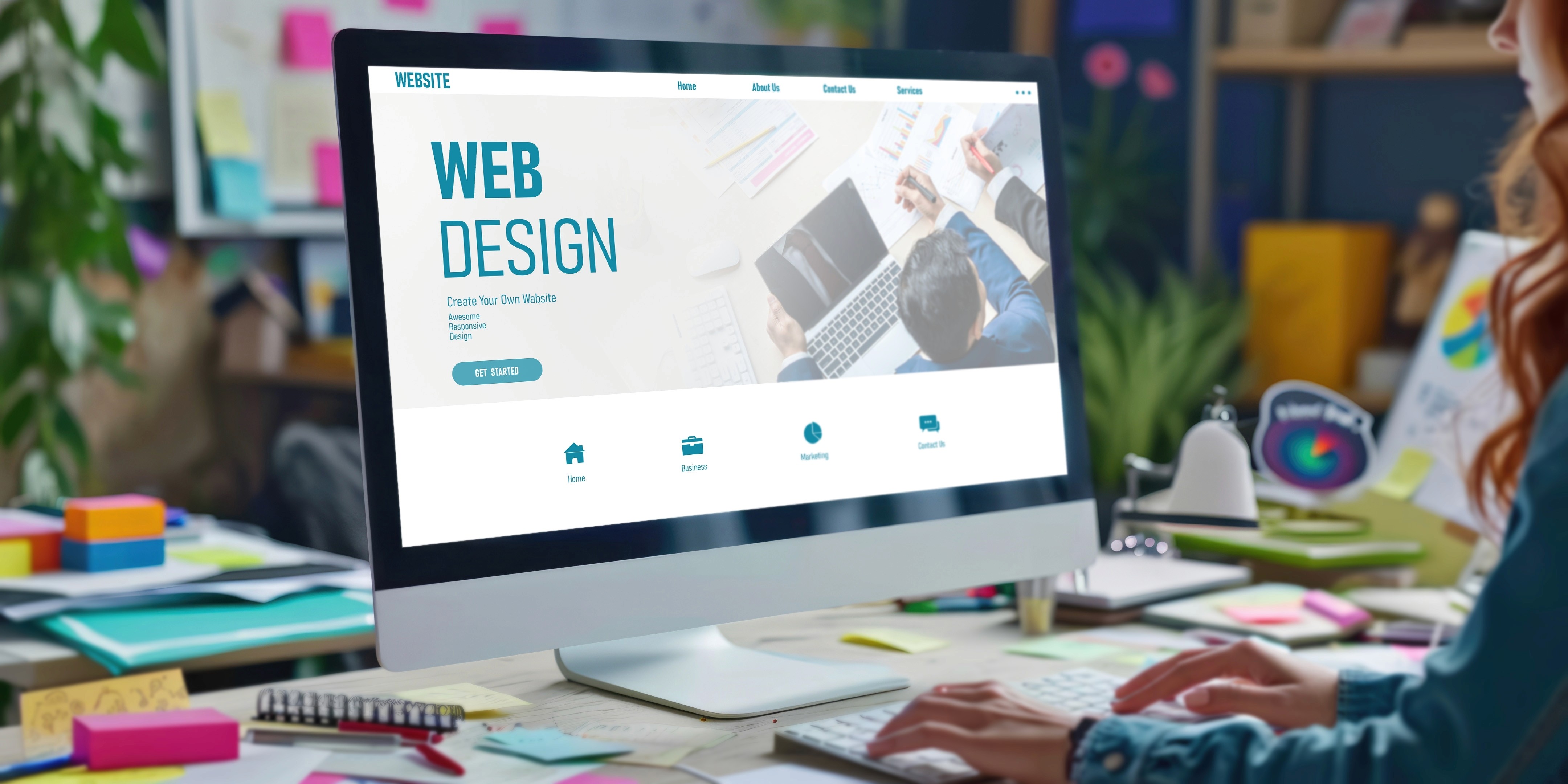
This is where your brand starts to come to life visually. Based on the approved plan, your designer will create mockups or prototypes showing your new layout, typography, colors, and imagery.
Good web design isn’t just about looking beautiful, it’s about function. Every button, section, and animation should have a purpose. A well-designed website feels intuitive. Visitors shouldn’t have to think about where to click next; it should feel natural.
New entrepreneurs often underestimate how much good UX design can affect conversions. Even small tweaks, like clear call-to-action buttons or faster loading times, can make a big difference.
For established businesses, this is often the point where modern design standards come into play: accessibility improvements, mobile-first design, and performance optimization.
Phase 4: Development and Implementation
Once the design is approved, it’s time for development. This is where your static design turns into a functional, interactive website.
Depending on your platform (Framer, Webflow, or Wix, for example), this process can vary in complexity. Developers will ensure your site works seamlessly across all devices, integrate tools like Google Analytics, and connect your forms or booking systems.
This stage might sound technical, but here’s what you should know: your site should not only look good, it should perform well. That means fast loading speeds, smooth navigation, and clean code that search engines can understand.
Good agencies or designers will handle the tech, but it helps when clients understand timelines and milestones, especially when multiple revisions, integrations, or SEO adjustments are part of the plan.
Phase 5: Testing, Feedback, and Launch
Before going live, your designer should conduct thorough testing, checking every link, form, button, and layout on different screen sizes. You’ll have a chance to review the site, provide feedback, and request final adjustments.
It’s perfectly normal for this phase to take a few days. Think of it as your “soft opening.” You’re catching any glitches before the grand reveal.
Once everything checks out, your website is launched, but the process doesn’t stop there. A solid designer will monitor performance after launch to ensure everything runs smoothly and to make adjustments as real users interact with the site.


Working With the Right Web Designer or Agency
Choosing the right designer or agency can make or break your experience. A website redesign is a collaboration, not a one-sided project. You’re trusting someone to interpret your vision, so the relationship needs mutual respect, patience, and open communication.
Here’s what to consider:
1. Communication
Can you ask questions freely?
A good designer welcomes curiosity. You should never feel like a burden for wanting to understand the process. Transparency builds trust, and trust leads to better results.
2. Agency Size
Bigger isn’t always better. Large agencies often come with higher prices and layered communication (you may never speak to the designer directly).
Smaller agencies or independent designers, like Bluprintly, tend to offer a more personal, hands-on approach. You get to work directly with the person handling your project, ensuring your ideas aren’t lost in translation.
3. Process & Flexibility
Ask how revisions are handled, how long each stage takes, and what tools are used. A structured process is a sign of professionalism, but flexibility shows care. If something changes mid-project, your designer should be able to adapt without frustration.
4. Pricing Transparency
No one likes surprise costs. Choose a designer who provides clear, structured pricing with deliverables outlined from the start. It protects both sides and helps you plan your budget confidently.
5. Availability & Relationship
Great designers don’t disappear after launch. They stick around to help with updates, improvements, or advice. Working with someone who genuinely cares about your success, not just completing a transaction, makes all the difference.
At Bluprintly, this relationship is at the heart of how I work. My clients know they can reach me anytime, and I’ll always respond with clarity, honesty, and practical solutions. Whether it’s optimizing performance, improving UX, or guiding a rebrand, my focus is on helping your business grow, not just designing a website.
How Long Does a Redesign Take?
Timelines vary depending on the project’s complexity. For smaller sites, you might be looking at 2–4 weeks. Larger redesigns can take 6–10 weeks or more, especially if content creation or advanced integrations are involved.
But remember, quality takes time. A good designer won’t rush through strategy or testing just to meet an unrealistic deadline. What matters most is collaboration and keeping communication open.
What You Can Expect From a Successful Redesign
When your website redesign is done right, you’ll notice the difference almost immediately:
Visitors stay longer and engage more.
Your site loads faster and looks great on every device.
You receive more inquiries or sales because your message is clearer.
You feel proud to share your website, it finally represents your brand.
And that’s the real payoff. A well-designed website doesn’t just look good, it works hard for your business 24/7.
How Bluprintly Can Help
If you’re planning a website redesign, I’d love to help. At Bluprintly, I specialize in clean, modern, and conversion-focused designs tailored for businesses that want to stand out without overcomplicating the process.
You’ll get:
A personalized experience where communication is open and constant
Clear, structured pricing (no hidden costs)
24/7 availability for client support
Expertise in UI/UX design, SEO, and website management
Whether you’re launching your first brand or revamping an existing site, you’ll have a reliable partner guiding you every step of the way.
Your website is your digital home, let’s make sure it’s one you’re proud to show off.
Build Your Brand Smarter
Join my mailing list for practical design tips, business updates, and early access to resources.
Latest Blogs


Subscribe for Updates
Be the first to know about new resources, design tips, and exclusive offers.
Agency
Oct 29, 2025
What to Expect During a Website Redesign
What to Expect During a Website Redesign
Redesigning your website is like renovating your storefront while keeping the doors open, it takes planning, patience, and the right partner to get it right.
Redesigning your website is like renovating your storefront while keeping the doors open, it takes planning, patience, and the right partner to get it right.
Why a Redesign Matters
Whether you’re launching a brand from scratch or your existing site just isn’t cutting it anymore, a website redesign is one of the smartest moves you can make for your business. Your website doesn’t just showcase your products or services, it communicates your story, values, and level of professionalism in seconds.
For new entrepreneurs, this is your first real opportunity to make a lasting impression. For established businesses, it’s a chance to stay relevant, modern, and aligned with how your audience interacts online today.
A redesign isn’t just about aesthetics; it’s about improving performance, user experience, and trust. A slow, outdated site with clunky navigation can quietly turn potential customers away. A clean, responsive design can do the opposite, draw them in, guide them smoothly, and make working with you feel effortless.
Understanding the Process (and Why It Helps to Know the Basics)
Even if you’re not designing the site yourself, understanding the redesign process helps you make better decisions and avoid unnecessary stress. It’s like knowing what’s under the hood of your car, you don’t need to be a mechanic, but having a grasp of how things work saves time, money, and confusion.
When you know what to expect, you can communicate clearly with your designer, spot red flags early, and ensure your investment brings results. This understanding is especially helpful when you’re balancing multiple roles as a new business owner, every decision counts, and clarity keeps your project on track.
Phase 1: Discovery and Strategy
The redesign process typically begins with discovery. Your designer (or agency) will take time to understand your goals, target audience, and brand vision.
Expect questions like:
Who are your ideal customers?
What do you want them to do when they visit your site?
What isn’t working on your current website?
What makes your brand different?
This stage often includes a website audit, competitor analysis, and a look at analytics to understand where users drop off. The goal is to build a roadmap that connects design decisions with your business objectives.
For new business owners, this stage is where you define your foundation, your brand voice, design direction, and structure. For experienced businesses, it’s often about optimizing and refreshing what’s already in place.
Phase 2: Content Planning and Structure
Once the strategy is clear, the next step is planning your site’s structure and content. Think of this as organizing the “rooms” in your digital house.
Your designer might create a site map to outline key pages, like Home, About, Services, and Contact—and how they connect. For larger brands, this may include blogs, portfolios, case studies, or e-commerce product pages.
At this stage, clarity matters more than creativity. Clean navigation, clear headings, and concise copy help users find what they need quickly. If you’re working with a designer like Bluprintly, you’ll often get guidance on how to refine your message, improve readability, and weave in subtle SEO techniques so your site ranks better over time.
Phase 3: Design and User Experience (UX)
This is where your brand starts to come to life visually. Based on the approved plan, your designer will create mockups or prototypes showing your new layout, typography, colors, and imagery.
Good web design isn’t just about looking beautiful, it’s about function. Every button, section, and animation should have a purpose. A well-designed website feels intuitive. Visitors shouldn’t have to think about where to click next; it should feel natural.
New entrepreneurs often underestimate how much good UX design can affect conversions. Even small tweaks, like clear call-to-action buttons or faster loading times, can make a big difference.
For established businesses, this is often the point where modern design standards come into play: accessibility improvements, mobile-first design, and performance optimization.
Phase 4: Development and Implementation
Once the design is approved, it’s time for development. This is where your static design turns into a functional, interactive website.
Depending on your platform (Framer, Webflow, or Wix, for example), this process can vary in complexity. Developers will ensure your site works seamlessly across all devices, integrate tools like Google Analytics, and connect your forms or booking systems.
This stage might sound technical, but here’s what you should know: your site should not only look good, it should perform well. That means fast loading speeds, smooth navigation, and clean code that search engines can understand.
Good agencies or designers will handle the tech, but it helps when clients understand timelines and milestones, especially when multiple revisions, integrations, or SEO adjustments are part of the plan.
Phase 5: Testing, Feedback, and Launch
Before going live, your designer should conduct thorough testing, checking every link, form, button, and layout on different screen sizes. You’ll have a chance to review the site, provide feedback, and request final adjustments.
It’s perfectly normal for this phase to take a few days. Think of it as your “soft opening.” You’re catching any glitches before the grand reveal.
Once everything checks out, your website is launched, but the process doesn’t stop there. A solid designer will monitor performance after launch to ensure everything runs smoothly and to make adjustments as real users interact with the site.
Working With the Right Web Designer or Agency
Choosing the right designer or agency can make or break your experience. A website redesign is a collaboration, not a one-sided project. You’re trusting someone to interpret your vision, so the relationship needs mutual respect, patience, and open communication.
Here’s what to consider:
1. Communication
Can you ask questions freely?
A good designer welcomes curiosity. You should never feel like a burden for wanting to understand the process. Transparency builds trust, and trust leads to better results.
2. Agency Size
Bigger isn’t always better. Large agencies often come with higher prices and layered communication (you may never speak to the designer directly).
Smaller agencies or independent designers, like Bluprintly, tend to offer a more personal, hands-on approach. You get to work directly with the person handling your project, ensuring your ideas aren’t lost in translation.
3. Process & Flexibility
Ask how revisions are handled, how long each stage takes, and what tools are used. A structured process is a sign of professionalism, but flexibility shows care. If something changes mid-project, your designer should be able to adapt without frustration.
4. Pricing Transparency
No one likes surprise costs. Choose a designer who provides clear, structured pricing with deliverables outlined from the start. It protects both sides and helps you plan your budget confidently.
5. Availability & Relationship
Great designers don’t disappear after launch. They stick around to help with updates, improvements, or advice. Working with someone who genuinely cares about your success, not just completing a transaction, makes all the difference.
At Bluprintly, this relationship is at the heart of how I work. My clients know they can reach me anytime, and I’ll always respond with clarity, honesty, and practical solutions. Whether it’s optimizing performance, improving UX, or guiding a rebrand, my focus is on helping your business grow, not just designing a website.
How Long Does a Redesign Take?
Timelines vary depending on the project’s complexity. For smaller sites, you might be looking at 2–4 weeks. Larger redesigns can take 6–10 weeks or more, especially if content creation or advanced integrations are involved.
But remember, quality takes time. A good designer won’t rush through strategy or testing just to meet an unrealistic deadline. What matters most is collaboration and keeping communication open.
What You Can Expect From a Successful Redesign
When your website redesign is done right, you’ll notice the difference almost immediately:
Visitors stay longer and engage more.
Your site loads faster and looks great on every device.
You receive more inquiries or sales because your message is clearer.
You feel proud to share your website, it finally represents your brand.
And that’s the real payoff. A well-designed website doesn’t just look good, it works hard for your business 24/7.
How Bluprintly Can Help
If you’re planning a website redesign, I’d love to help. At Bluprintly, I specialize in clean, modern, and conversion-focused designs tailored for businesses that want to stand out without overcomplicating the process.
You’ll get:
A personalized experience where communication is open and constant
Clear, structured pricing (no hidden costs)
24/7 availability for client support
Expertise in UI/UX design, SEO, and website management
Whether you’re launching your first brand or revamping an existing site, you’ll have a reliable partner guiding you every step of the way.
Your website is your digital home, let’s make sure it’s one you’re proud to show off.
Build Your Brand Smarter
Join my mailing list for practical design tips, business updates, and early access to resources.
Latest Blogs
Subscribe for Updates
Be the first to know about new resources, design tips, and exclusive offers.
Agency
Oct 29, 2025
What to Expect During a Website Redesign
What to Expect During a Website Redesign
Redesigning your website is like renovating your storefront while keeping the doors open, it takes planning, patience, and the right partner to get it right.
Redesigning your website is like renovating your storefront while keeping the doors open, it takes planning, patience, and the right partner to get it right.
Why a Redesign Matters
Whether you’re launching a brand from scratch or your existing site just isn’t cutting it anymore, a website redesign is one of the smartest moves you can make for your business. Your website doesn’t just showcase your products or services, it communicates your story, values, and level of professionalism in seconds.
For new entrepreneurs, this is your first real opportunity to make a lasting impression. For established businesses, it’s a chance to stay relevant, modern, and aligned with how your audience interacts online today.
A redesign isn’t just about aesthetics; it’s about improving performance, user experience, and trust. A slow, outdated site with clunky navigation can quietly turn potential customers away. A clean, responsive design can do the opposite, draw them in, guide them smoothly, and make working with you feel effortless.
Understanding the Process (and Why It Helps to Know the Basics)
Even if you’re not designing the site yourself, understanding the redesign process helps you make better decisions and avoid unnecessary stress. It’s like knowing what’s under the hood of your car, you don’t need to be a mechanic, but having a grasp of how things work saves time, money, and confusion.
When you know what to expect, you can communicate clearly with your designer, spot red flags early, and ensure your investment brings results. This understanding is especially helpful when you’re balancing multiple roles as a new business owner, every decision counts, and clarity keeps your project on track.
Phase 1: Discovery and Strategy
The redesign process typically begins with discovery. Your designer (or agency) will take time to understand your goals, target audience, and brand vision.
Expect questions like:
Who are your ideal customers?
What do you want them to do when they visit your site?
What isn’t working on your current website?
What makes your brand different?
This stage often includes a website audit, competitor analysis, and a look at analytics to understand where users drop off. The goal is to build a roadmap that connects design decisions with your business objectives.
For new business owners, this stage is where you define your foundation, your brand voice, design direction, and structure. For experienced businesses, it’s often about optimizing and refreshing what’s already in place.
Phase 2: Content Planning and Structure
Once the strategy is clear, the next step is planning your site’s structure and content. Think of this as organizing the “rooms” in your digital house.
Your designer might create a site map to outline key pages, like Home, About, Services, and Contact—and how they connect. For larger brands, this may include blogs, portfolios, case studies, or e-commerce product pages.
At this stage, clarity matters more than creativity. Clean navigation, clear headings, and concise copy help users find what they need quickly. If you’re working with a designer like Bluprintly, you’ll often get guidance on how to refine your message, improve readability, and weave in subtle SEO techniques so your site ranks better over time.
Phase 3: Design and User Experience (UX)
This is where your brand starts to come to life visually. Based on the approved plan, your designer will create mockups or prototypes showing your new layout, typography, colors, and imagery.
Good web design isn’t just about looking beautiful, it’s about function. Every button, section, and animation should have a purpose. A well-designed website feels intuitive. Visitors shouldn’t have to think about where to click next; it should feel natural.
New entrepreneurs often underestimate how much good UX design can affect conversions. Even small tweaks, like clear call-to-action buttons or faster loading times, can make a big difference.
For established businesses, this is often the point where modern design standards come into play: accessibility improvements, mobile-first design, and performance optimization.
Phase 4: Development and Implementation
Once the design is approved, it’s time for development. This is where your static design turns into a functional, interactive website.
Depending on your platform (Framer, Webflow, or Wix, for example), this process can vary in complexity. Developers will ensure your site works seamlessly across all devices, integrate tools like Google Analytics, and connect your forms or booking systems.
This stage might sound technical, but here’s what you should know: your site should not only look good, it should perform well. That means fast loading speeds, smooth navigation, and clean code that search engines can understand.
Good agencies or designers will handle the tech, but it helps when clients understand timelines and milestones, especially when multiple revisions, integrations, or SEO adjustments are part of the plan.
Phase 5: Testing, Feedback, and Launch
Before going live, your designer should conduct thorough testing, checking every link, form, button, and layout on different screen sizes. You’ll have a chance to review the site, provide feedback, and request final adjustments.
It’s perfectly normal for this phase to take a few days. Think of it as your “soft opening.” You’re catching any glitches before the grand reveal.
Once everything checks out, your website is launched, but the process doesn’t stop there. A solid designer will monitor performance after launch to ensure everything runs smoothly and to make adjustments as real users interact with the site.
Working With the Right Web Designer or Agency
Choosing the right designer or agency can make or break your experience. A website redesign is a collaboration, not a one-sided project. You’re trusting someone to interpret your vision, so the relationship needs mutual respect, patience, and open communication.
Here’s what to consider:
1. Communication
Can you ask questions freely?
A good designer welcomes curiosity. You should never feel like a burden for wanting to understand the process. Transparency builds trust, and trust leads to better results.
2. Agency Size
Bigger isn’t always better. Large agencies often come with higher prices and layered communication (you may never speak to the designer directly).
Smaller agencies or independent designers, like Bluprintly, tend to offer a more personal, hands-on approach. You get to work directly with the person handling your project, ensuring your ideas aren’t lost in translation.
3. Process & Flexibility
Ask how revisions are handled, how long each stage takes, and what tools are used. A structured process is a sign of professionalism, but flexibility shows care. If something changes mid-project, your designer should be able to adapt without frustration.
4. Pricing Transparency
No one likes surprise costs. Choose a designer who provides clear, structured pricing with deliverables outlined from the start. It protects both sides and helps you plan your budget confidently.
5. Availability & Relationship
Great designers don’t disappear after launch. They stick around to help with updates, improvements, or advice. Working with someone who genuinely cares about your success, not just completing a transaction, makes all the difference.
At Bluprintly, this relationship is at the heart of how I work. My clients know they can reach me anytime, and I’ll always respond with clarity, honesty, and practical solutions. Whether it’s optimizing performance, improving UX, or guiding a rebrand, my focus is on helping your business grow, not just designing a website.
How Long Does a Redesign Take?
Timelines vary depending on the project’s complexity. For smaller sites, you might be looking at 2–4 weeks. Larger redesigns can take 6–10 weeks or more, especially if content creation or advanced integrations are involved.
But remember, quality takes time. A good designer won’t rush through strategy or testing just to meet an unrealistic deadline. What matters most is collaboration and keeping communication open.
What You Can Expect From a Successful Redesign
When your website redesign is done right, you’ll notice the difference almost immediately:
Visitors stay longer and engage more.
Your site loads faster and looks great on every device.
You receive more inquiries or sales because your message is clearer.
You feel proud to share your website, it finally represents your brand.
And that’s the real payoff. A well-designed website doesn’t just look good, it works hard for your business 24/7.
How Bluprintly Can Help
If you’re planning a website redesign, I’d love to help. At Bluprintly, I specialize in clean, modern, and conversion-focused designs tailored for businesses that want to stand out without overcomplicating the process.
You’ll get:
A personalized experience where communication is open and constant
Clear, structured pricing (no hidden costs)
24/7 availability for client support
Expertise in UI/UX design, SEO, and website management
Whether you’re launching your first brand or revamping an existing site, you’ll have a reliable partner guiding you every step of the way.
Your website is your digital home, let’s make sure it’s one you’re proud to show off.
Build Your Brand Smarter
Join my mailing list for practical design tips, business updates, and early access to resources.
Latest Blogs
Subscribe for Updates
Be the first to know about new resources, design tips, and exclusive offers.